Where to Lift the Polaris Ranger with confidence

See how to safely lift your Ranger on the trail.

Where should you lift the Ranger?

The Polaris Ranger is best lifted from the main chassis tubes located just inboard of the rocker panels.
NOTE: Avoid unsupported body panels, steep angles, tie rods, and axles.

Common Lift Points on the Ranger

The Ranger steel chassis provides stable lift points near each corner of the vehicle. Front and rear lift points are located on the lower chassis tubing near the rocker panels, with additional lift points available depending on the situation.

Click a video below to learn more.

Ranger Lift Point Videos

Watch how to safely lift and support your Ranger on the trail.

Electric Jack PRO
Electric Jack PRO
Manual Jack PRO
Manual Jack PRO
Manual Jack Sport
Manual Jack Sport
Scissor Jack
Scissor Jack

Don't see your exact model? Some Polaris UTVs share similar lift points. Start with the closest match or return to the main guide.

← Back to Lift Point Guide

How to lift your Ranger

Follow these steps for a safe, stable lift on the trail.

1
Choose where you want to lift

Locate the recommended chassis tube or suspension component closest to the corner you need to access.

2
Lift with control

Position the jack securely and adjust for your terrain and conditions. On soft or uneven ground, clear or compact the surface or use a larger base for added stability.

3
Repair and get back on the trail

Complete the repair, lower the vehicle carefully, and confirm everything is secure before getting back on the trail.

What you need to lift the Ranger

A compact trail jack with at least 14 inches of lift height and a 2,000 lb. rating is recommended for the Ranger. For repairs on the trail, place a cooler, toolbox, spare tire, rock, or other solid object beneath the vehicle as a secondary support before working.

NOTE: Never place your body under a vehicle lifted on the trail without proper jack stands.

Still have questions?

Ranger lift point FAQs

The primary lift points are on the main steel chassis tubes behind the skid plate, just inboard of the rocker panels.

Watch the video matching your jack for more details.
The Ranger has limited suspension droop, making the chassis the safest primary lift point. The steep angle of the suspension components can increase the risk of the jack slipping under load.

Watch the video matching your jack for more details.
The Ranger weighs roughly 1,500- 2,500 lbs. depending on the model and setup. A jack rated for at least 2,000 lbs. is recommended, especially for off-camber lifts where more load may shift onto one corner of the vehicle.
For a quick tire change, a jack alone may be enough. But if the vehicle will remain lifted or any part of your body will be under the vehicle, always use jack stands or a solid secondary support.
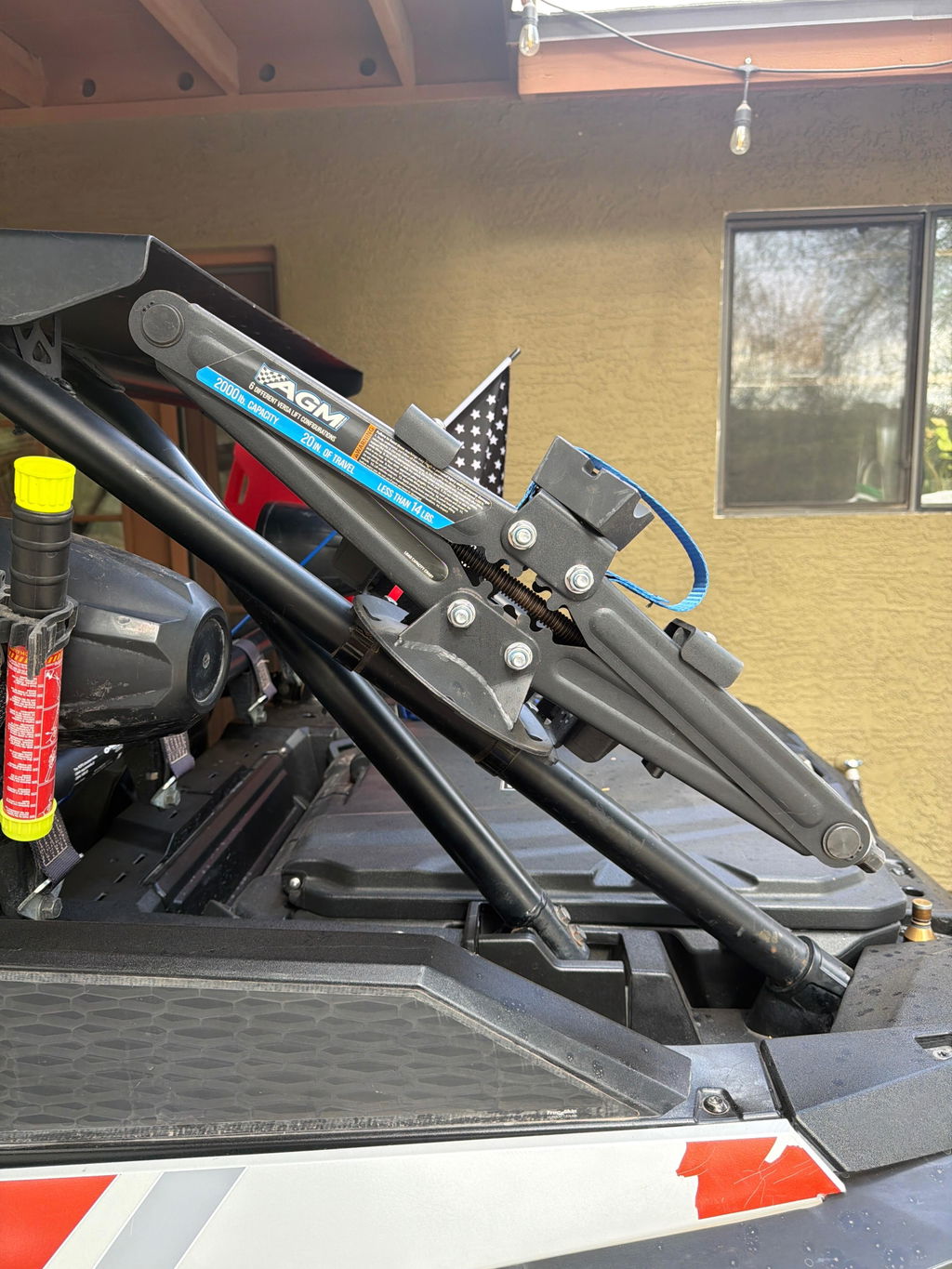
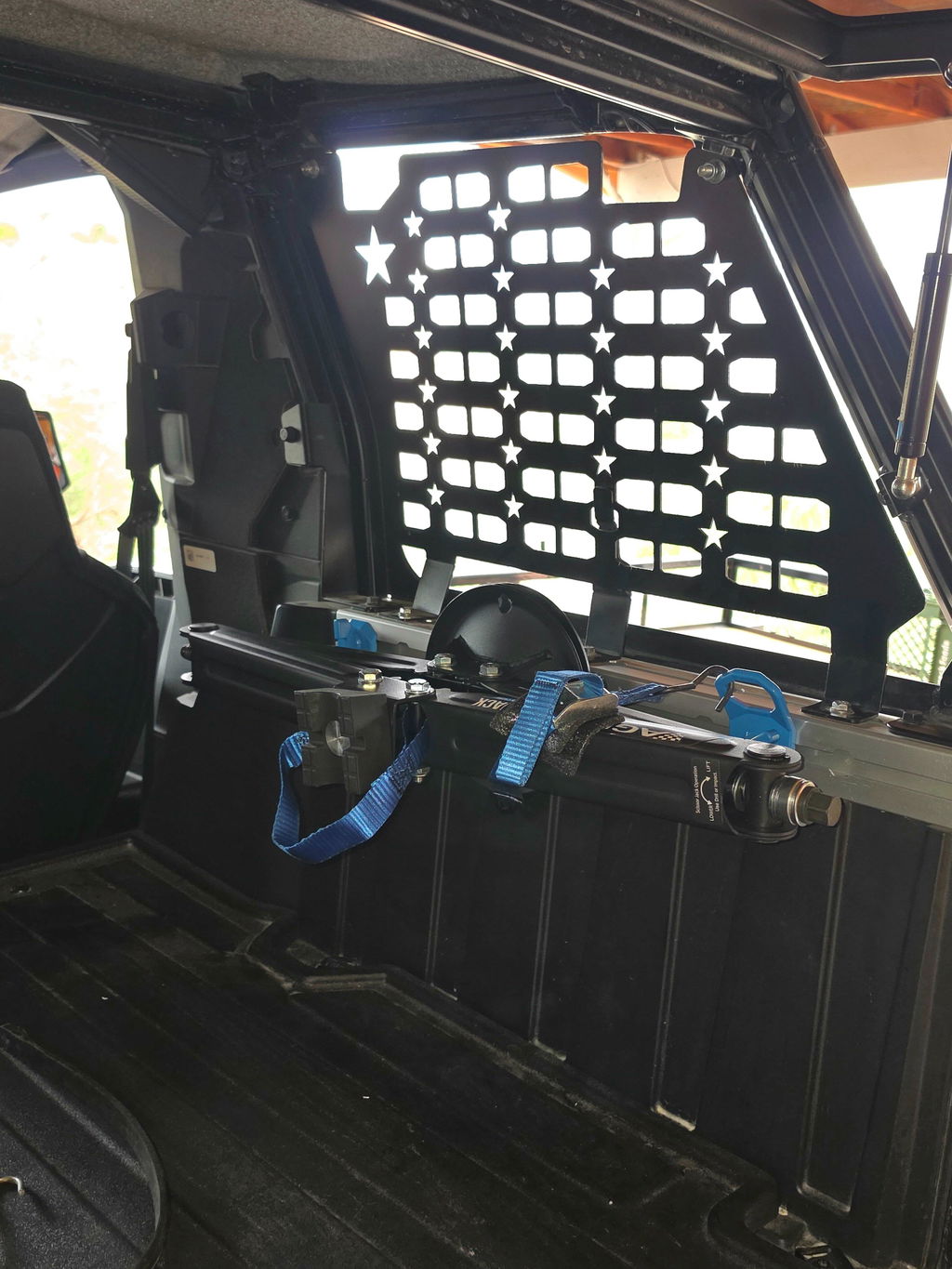
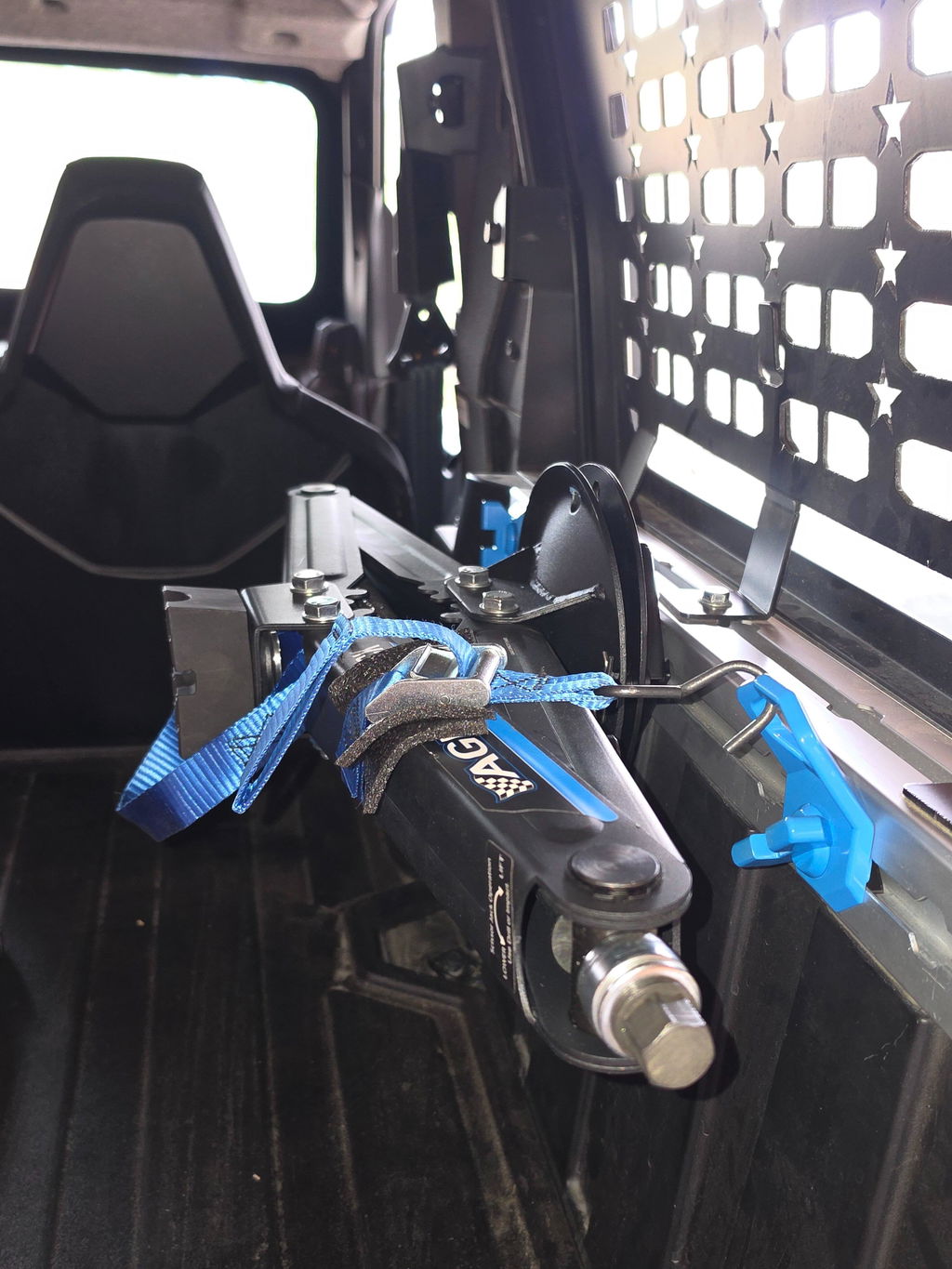
A compact trail jack designed for UTVs and uneven terrain is ideal. Look for one that provides stable lifting and can be securely stored on your Ranger
Be ready for anything off-road

Go from stuck to ready for anything