Where to lift
your UTV safely

A complete guide to safe lifting off-road.

Find Your UTV Lift Points
Where should you lift a UTV?
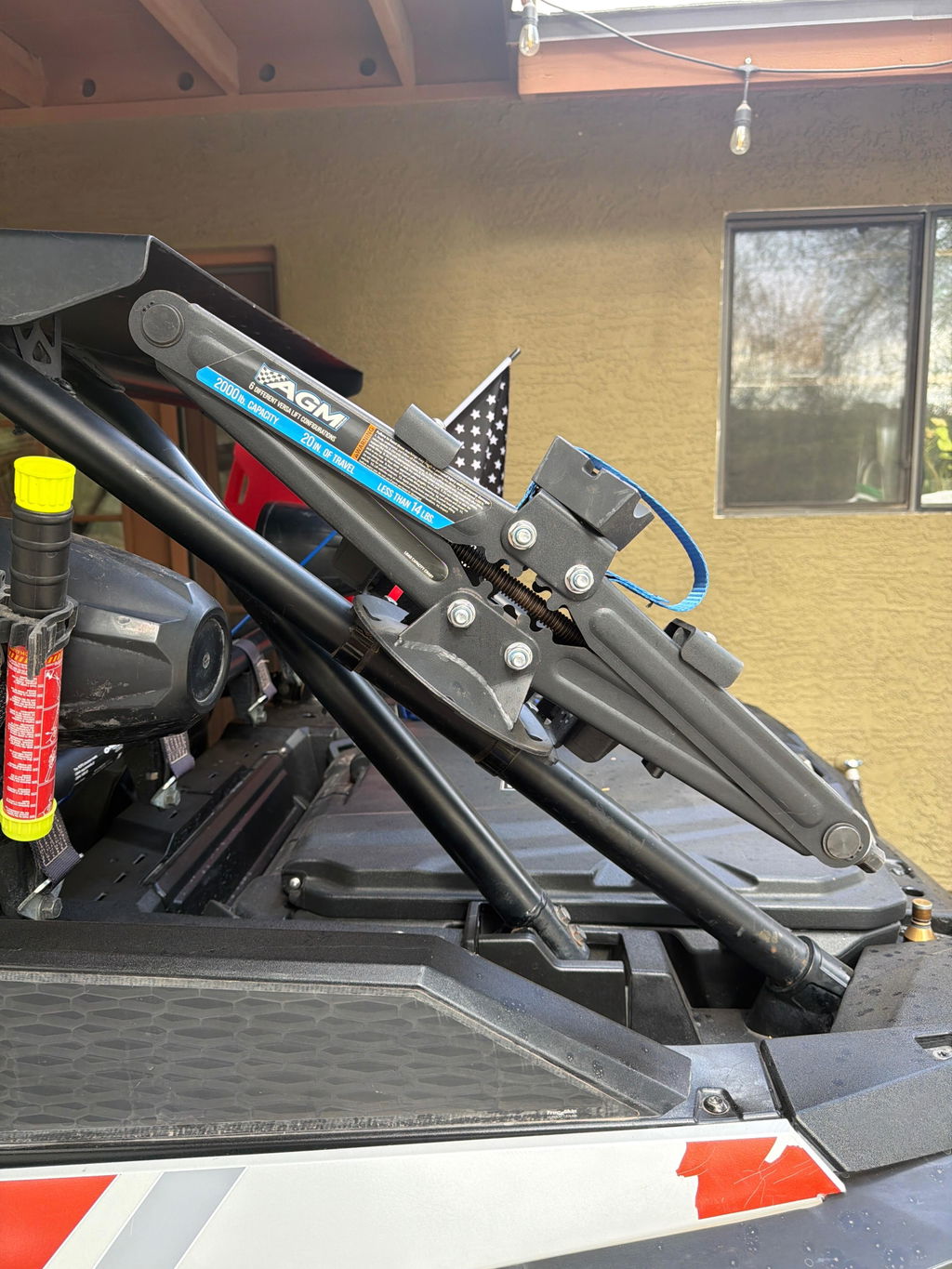
UTVs should be lifted from strong structural points like chassis tubing or suspension components. These areas are designed to support the vehicle’s weight without damage.

Avoid lifting from plastic panels or unsupported areas. A quick way to identify safe lift zones on the chassis is to look for bolts or screws securing skid plates or rocker panels—these fasteners typically thread into a chassis tube behind the panel. A series of these in a line could indicate the location of a tube.

Also avoid lifting from suspension components at steep angles. If the surface isn’t close to level, the jack can slip, increasing the risk of damage or injury.

Find your UTV lift points

Select your brand to see exactly where to lift your vehicle.

Don't see your model? Many lift points may be similar — see other models or brands for reference.

Common UTV lift points

Suspension lift points

Suspension lift points

Many UTVs can be lifted from suspension components like A-arms or control arms when using the correct attachment or hook. Choose points that are flat, stable, and close to level to reduce the risk of slipping

Chassis lift points

Chassis lift points

Chassis tubing and reinforced frame sections provide the most stable lift points. These are ideal for controlled lifts and situations where maximum stability is needed

What to avoid

What to avoid

Avoid plastic panels, skid plates without support, and thin metal components. Also avoid lifting from steep or angled surfaces, as the jack can shift or slip under load

Find Your UTV Lift Points

How to lift your UTV in common situations

Pull off the trail, parking on flat unobstructed ground (whenever possible), put the gear selector in park. Chock a tire, with nearby objects (rocks, branches, etc.) so the vehicle cannot roll. Lift near the affected component using a stable suspension or chassis point. This reduces how much the vehicle needs to be lifted and improves stability. Quick tip - Never put any part of your body under a vehicle that is lifted with a wheel off.
Lift from a stable point that allows you to place traction boards, rocks, branches, etc. under the affected tire(s). Stability is critical on soft ground, so ensure the base is secure before lifting. Quick Tip- Once stuck try not to spin your tires, it will only dig you deeper.
Focus on stability first. Choose the most level lift point available and make sure the jack is firmly planted before applying load. If using a PRO series jack you may want to rotate the clamp up to 90 degrees so the pad can better articulate to angle of ground. Quick Tip - Level the ground you will be lifting on by digging and compacting with tools, hands or feet to create the most stable surface possible before lifting.

How it works

1. Choose where you want to lift

1. Choose where you want to lift

Select a stable lift point on the chassis or suspension based on your situation. Look for solid structure and avoid unsupported areas

2. Lift with control

2. Lift with control

Position the jack securely and begin lifting using your manual or battery-powered setup. Keep the base stable and the lift point as level as possible.

3. Repair and get back on the trail

3. Repair and get back on the trail

Complete the repair - whether it’s a tire change, getting unstuck, or handling a trail fix and get moving again without losing hours waiting for help.

Find Your UTV Lift Points
What you need to lift safely

What you need to lift safely

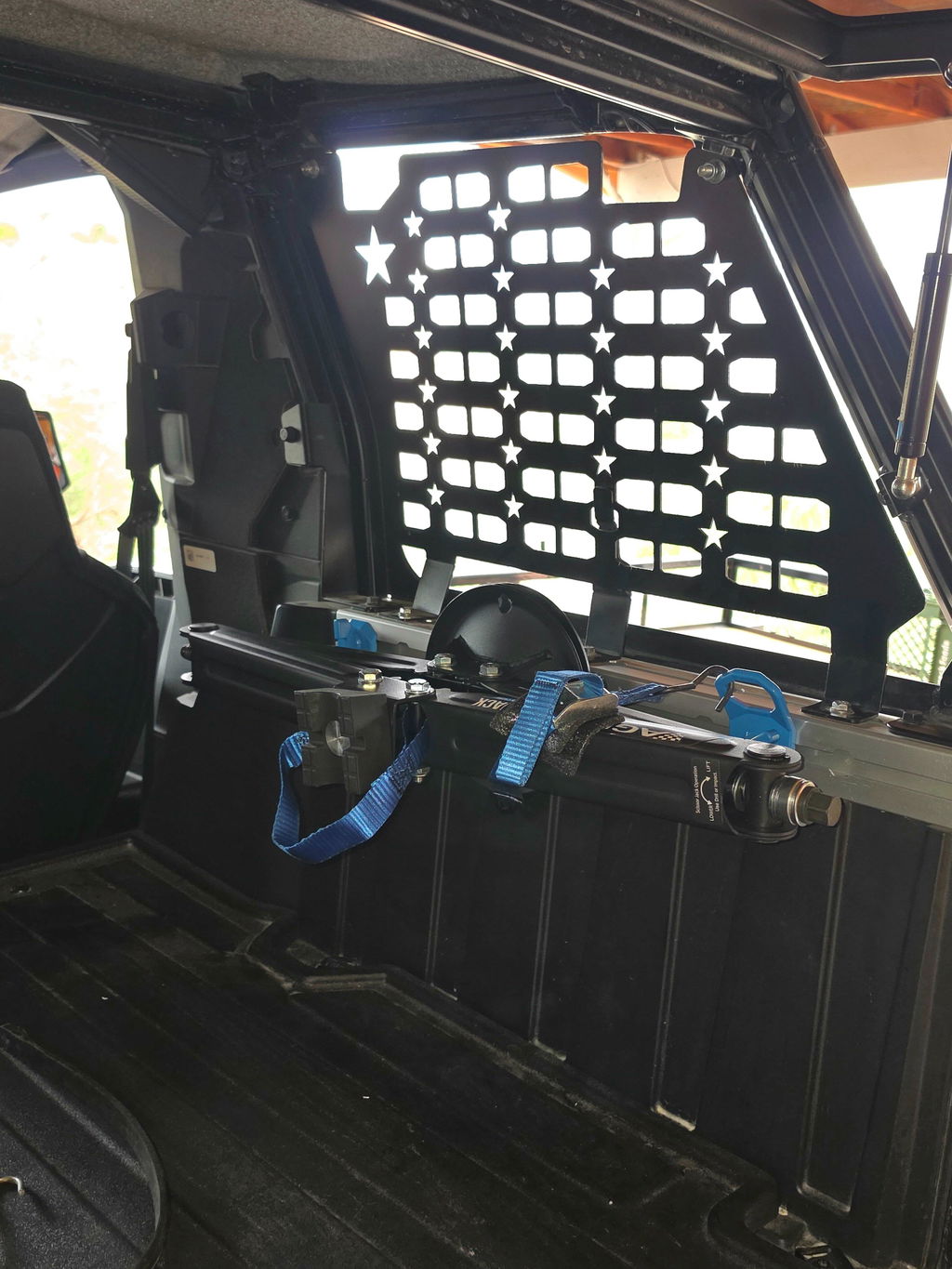
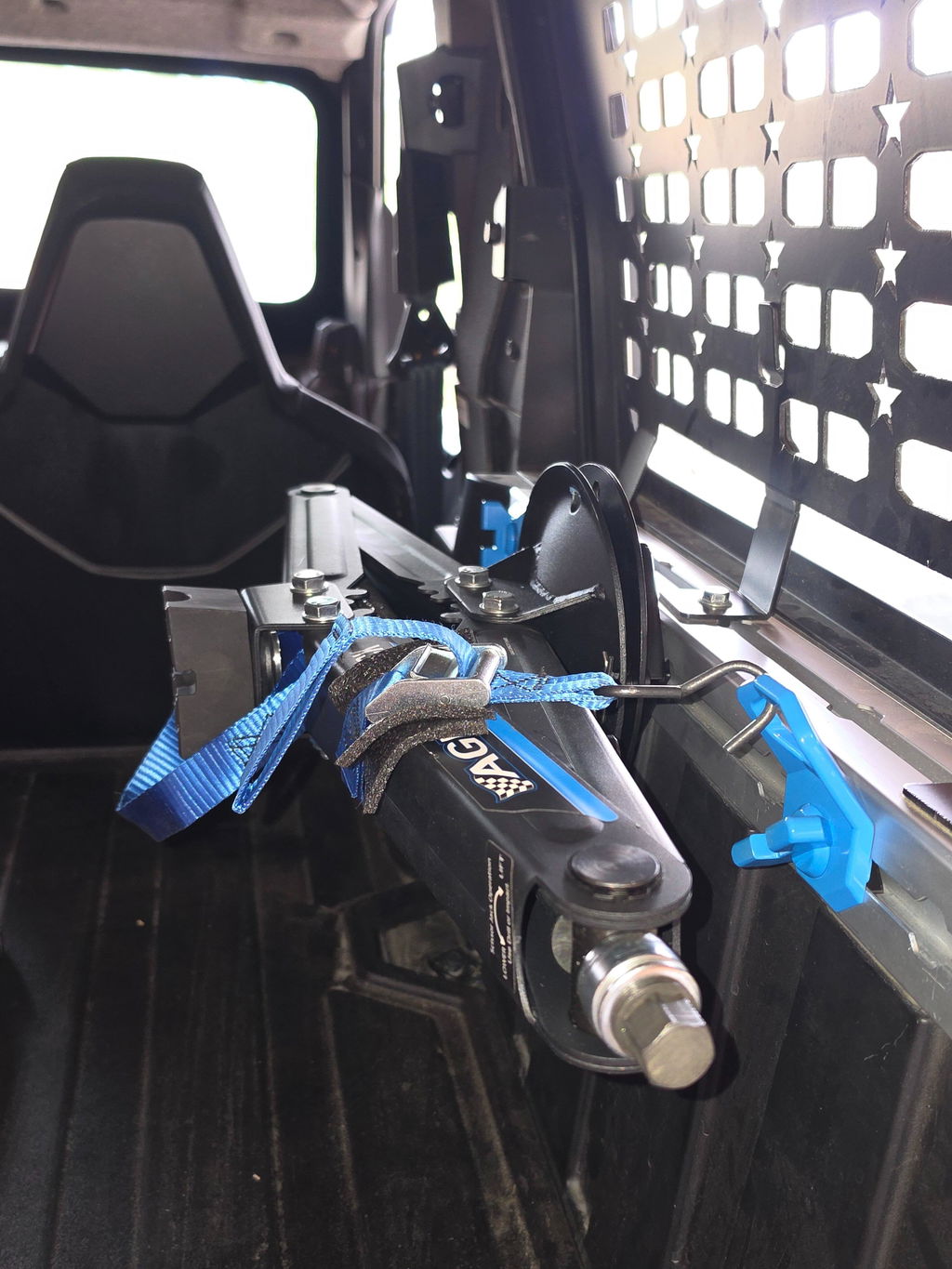
Lifting a UTV safely comes down to stability, control, and using the right contact point. The right setup makes it easier to lift on unpredictable terrain and handle problems without added risk. Whether you're using a manual or battery-powered jack, a stable base and proper attachment make all the difference when it matters.

Shop Jacks & Tools
Still have questions?
UTVs should be lifted from strong structural points like chassis tubing or suspension components. These areas are designed to support the vehicle’s weight without damage. Avoid lifting from plastic panels or unsupported areas, as they can bend or fail under load. AGM jacks are designed to interface with these lift points while maintaining stability on uneven or soft terrain.
Yes, many UTVs can be lifted from suspension components such as A-arms or trailing arms when using the correct attachment. Choose points that are stable and close to level. Avoid lifting from components at steep angles, as the jack can slip under load. AGM lifting attachments are designed to safely engage these components while reducing the risk of slipping.
Yes, but stability is critical. Soft or unpredictable terrain can cause the jack to sink or shift. Use a stable base and ensure the ground is as firm as possible. AGM jacks use patented GroundLoc wide, dished base designed to improve stability on soft ground like sand and dirt.
Avoid lifting from plastic panels, unsupported skid plates, or thin metal components. Also avoid steep or angled lift points, as they increase the risk of the jack slipping and causing damage or injury.
The best jack for off-road use is one designed for uneven and unpredictable terrain. It should provide stability, controlled lifting, and the ability to interface with suspension or chassis lift points. AGM off-road jacks are built specifically for these conditions, with mechanical drive systems and interchangeable lift attachments.
Look for structural components like chassis tubing or reinforced mounting areas. Bolts securing skid plates or rocker panels often indicate a chassis tube behind them, which can be a safe place to lift. Using a jack with adaptable lift points, like AGM’s VersaLift system, makes it easier to safely engage these areas.
Yes, especially if the lift point is angled or the ground is unstable. To reduce risk, choose a flat contact point, keep the jack base stable, and lift slowly with controlled movement.
While basic jacks can work, off-road conditions often require equipment designed for stability and control. Using the right jack and attachments makes lifting safer and more reliable.

Ready to Lift Safely?

Find the right lift points for your UTV and get back on the trail faster.

Find Your UTV Lift Points